
Why the Right Address Matters More Than Ever
Cape Town continues to stand apart — but in 2026, success in property is becoming less about simply owning in the city and more about owning the right property, in the right place.
South Africa’s residential property market has shown notable resilience through
the first half of 2026, despite renewed pressure on household finances, changing
interest-rate conditions and broader economic uncertainty. For Cape Town, the
fundamentals that have made the city one of the country’s most desirable property
markets remain firmly in focus.

7.4%
Western Cape HPI
Year to Nov 2025
vs 3.2% national
Source: Lightstone via ooba

15.9%
Home Loan Applications
Increase in application volumes
Q4 2023 to Q1 2026
Source: ooba Home Loans

30.4%
Application Value
Increase in total value
Q4 2023 to Q1 2026
Source: ooba Home Loans

7.0%
SARB Policy Rate
Held in July 2026
Source: SARB

The Western Cape Entered 2026 With Momentum
The Western Cape entered 2026 from a position of considerable strength. Lightstone data cited by ooba showed Western Cape house-price inflation of 7.4% in the year to November 2025, compared with national HPI of 3.2% over the same period.
While these figures should not be interpreted as current August 2026 growth rates, they demonstrate the momentum with which the province entered the year. More recent national analysis from FNB has continued to describe the residential property market as resilient despite ongoing affordability pressures.
Cape Town therefore finds itself in an interesting position: demand remains, but the market is becoming increasingly discerning.
The Interest-Rate Story Has Changed
Following a period of easing, the South African Reserve Bank increased the policy rate by 25 basis points in May and then held it at 7% in July 2026.
June headline inflation stood at 5.0%, while the Bank described monetary policy as somewhat restrictive. For property buyers, affordability calculations therefore remain particularly important.
Purchase price is only one part of the equation. Bond repayments, rates, levies, maintenance and the potential rental performance of an investment should all form part of the decision.

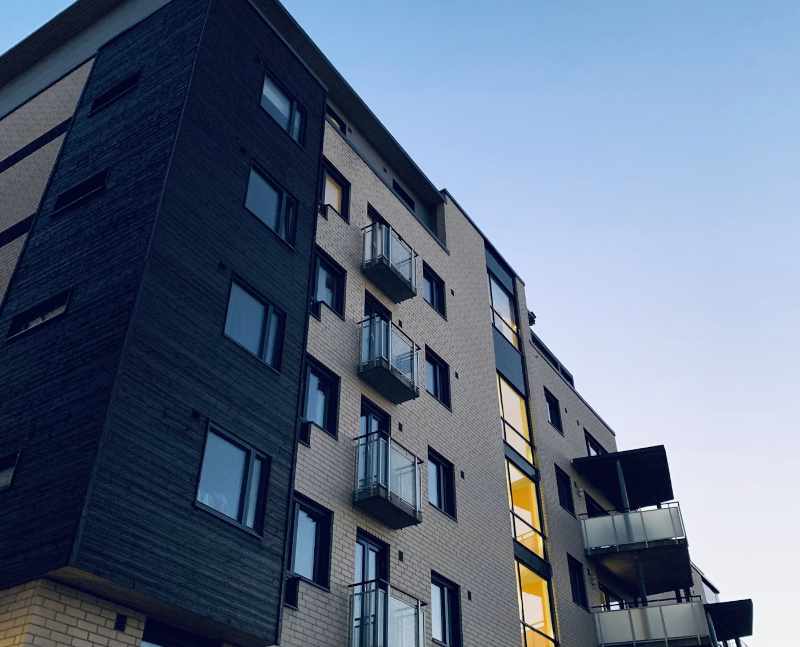
Location Is Becoming About More Than an Address
Cape Town has always commanded attention because of location. But what defines a “good location” is evolving.
Buyers are increasingly considering what everyday life around a property actually looks like — connectivity, secure parking, amenities, lifestyle, convenience and the quality of building or estate management.
This helps explain the continued relevance of well-positioned sectional-title and mixed-use developments. Buyers are not necessarily purchasing square metres alone. They are increasingly purchasing access, convenience and lifestyle.
The Opportunity Lies in Understanding the Difference
A secure estate in the Southern Suburbs, a one-bedroom apartment in Woodstock, an investment property close to the CBD and a luxury home overlooking the Constantia Valley are driven by very different buyers, rental markets and investment considerations.
The better question is not “Should I invest in Cape Town?” but:
“Where in Cape Town does the opportunity match my objective?”
- Location and accessibility
- Rental demand
- Security
- Levies and ownership costs
- Building management
- Amenities
- Resale demand
- Long-term desirability

Renting Is Part of the Story Too
One of the more interesting structural changes taking place in South Africa is the growing importance of the rental market. FNB’s June 2026 analysis found that housing demand has increasingly tilted towards renting rather than ownership, influenced by affordability constraints, mortgage accessibility, household
formation and continued urbanisation.
For Cape Town property investors, that matters. A property’s investment potential should not only be assessed according to what it may eventually sell for.
The question is also: Will people continue wanting to live here?


Smaller Can Be Smarter
Bigger is not automatically better. For young professionals, students, investors, downsizers and buyers seeking lock-up-and-go convenience, a well-designed apartment in the right location can offer something a much larger property cannot: efficiency.
Less maintenance. Greater security. Access to shared amenities. Proximity to the city. And potentially a property that can appeal to a broad rental and resale market.
The building becomes part of the product.
